- Tips & Variations: Use a triple-weave blackout lining sandwiched between your decorative face fabric and interior lining for superior drape and insulation. Charcoal gray offers a softer alternative to harsh black while maintaining modern gravity.
- How to Make It: Calculate your fullness ratio at 2.5 times the track width to ensure deep, structured triple-pinch pleats. Insert weighted corner magnets into the bottom hem corners to guarantee the panels hang completely straight without flaring.
8. Ombre Dip-Dyed Indigo Curtains Hand-crafted ombre gradients bring a subtle artistic touch, transitioning from crisp white at the top to deep indigo at the floor. This design tricks the eye, making low ceilings feel remarkably tall and airy.
- Tips & Variations: You can customize plain white cotton-canvas panels using traditional shibori or natural indigo vat dyeing techniques. Keep the gradient fade gradual and smooth across the lower third of the panel length.
- How to Make It: Submerge the bottom portion of your damp linen-cotton panels into an indigo dye bath, pulling the fabric upward incrementally over several minutes to create a natural, smoky fade line. Rinse thoroughly in cold water and tumble dry low to set the pigment.
9. Dual-Tone Colorblocked Linen Drapes Play with geometric visual balance by stitching two contrasting fabric blocks together horizontally, anchoring the bottom third with a richer, saturated hue. This creates a custom, high-end designer look on a modest budget.
- Tips & Variations: Pair a sandy beige upper section with an olive green or terracotta lower block to complement warm earth-toned living room decor. Ensure both fabrics share the exact same weight and fiber content for uniform shrinkage and drape.
- How to Make It: Cut your upper and lower fabric lengths, allowing extra seam allowance for a flat-felled seam. Press the horizontal seam open meticulously before attaching your top heading tape and bottom hems.
10. Scalloped Edge Tailored Cotton Panels Add a touch of vintage romance and whimsical charm with custom scalloped borders running down the leading edge of lightweight cotton panels. This subtle architectural detail softens contemporary furniture layouts.
- Tips & Variations: Use a contrasting bias tape binding along the scalloped edge to make the curved pattern pop against a neutral base fabric. Keep the scale of the curves medium-sized for a balanced, timeless aesthetic.
- How to Make It: Trace a circular template onto the fabric edge to map out uniform half-circles, stitch along the traced line, clip the curves carefully, and turn right-side out before pressing with a hot iron.
11. Sheer Metallic Thread Striped Drapes Catch and refract natural light subtly by incorporating whisper-thin vertical gold or silver metallic threads woven directly into ivory sheer fabric. This provides a glamorous, understated shimmer that feels festive yet liveable year-round.
- Tips & Variations: Ensure the metallic threading is soft and pliable so the fabric maintains its natural, cascading waterfall drape. Pair with brushed brass lighting fixtures to pull the metallic accents together.
- How to Make It: Hang these sheers on a slender brass tension rod mounted inside the window casing for a clean, minimalist framing effect. Use a fine-needle sewing machine setting with polyester thread to prevent snagging the delicate metallic fibers.
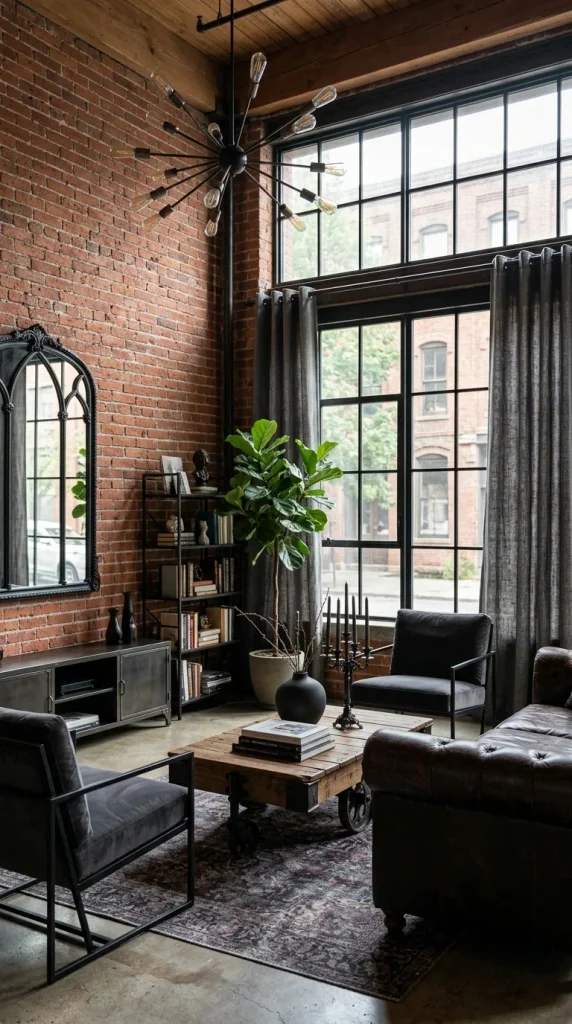
12. Heavyweight Wool-Blend Winter Drapes Designed to cocoon your living space in absolute warmth, thick charcoal or oatmeal wool-blend curtains offer unmatched acoustic isolation and cozy luxury during colder months.
- Tips & Variations: Select a boiled wool or wool-viscose blend that is soft to the touch and resistant to sagging over time. Pair with a sturdy wrought-iron rod capable of supporting the heavier weight.
- How to Make It: Interface the heading tightly with heavy canvas and construct wide side hems to stabilize the dense fabric. Hand-tack a soft flannel interlining between the face fabric and backing to give the panels an ultra-luxurious, plump profile.
13. Tied-Ribbon Tab Top Cotton CurtainsInstead of traditional metal grommets or rings, use delicate fabric ties or grosgrain ribbon loops to suspend your curtains from a exposed wooden pole. This casual yet intentional detail adds cottagecore charm and soft texture.
- Tips & Variations: Choose wide linen ribbons in a contrasting earth tone, such as sage green ties on cream-colored linen panels. Tie each bow uniformly to maintain a neat, cohesive appearance.
- How to Make It: Cut individual ribbon strips, fold them in half, and sandwich the raw ends securely between the top curtain hem and facing tape during construction. Tie each loop into a neat, secure knot or bow over your hanging rod.
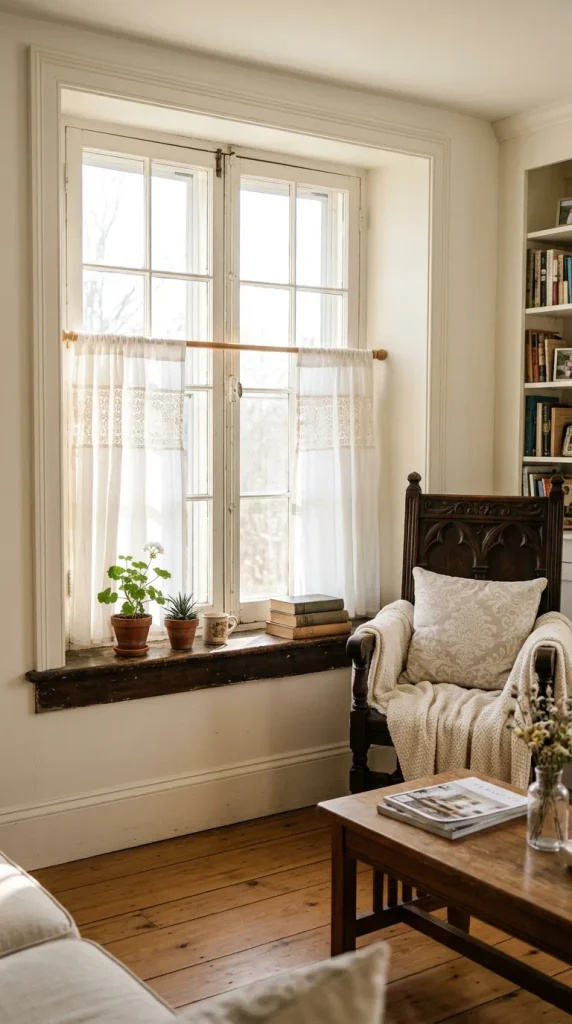
14. Crisp White Cotton Cafe Curtains with Lace Inserts Bring vintage farmhouse charm into bright, sun-drenched living rooms by utilizing lower-tier cafe curtains featuring delicate antique lace insertion panels. This style preserves your privacy while maximizing upper window sky views.
- Tips & Variations: Combine these with a matching upper valance or leave the top half completely bare for an unfiltered, open-air feeling. Use crisp, high-thread-count percale cotton for a clean, ironed finish.
- How to Make It: Measure your window precisely to the midpoint sash, install a slim brass cafe rod, and sew a decorative lace strip horizontally across the panel one foot above the bottom hem.
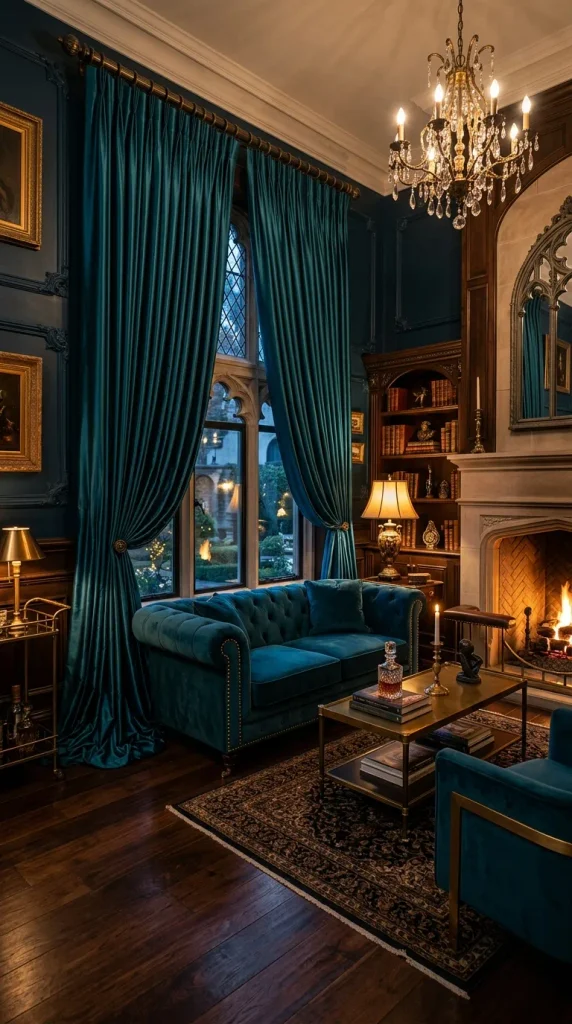
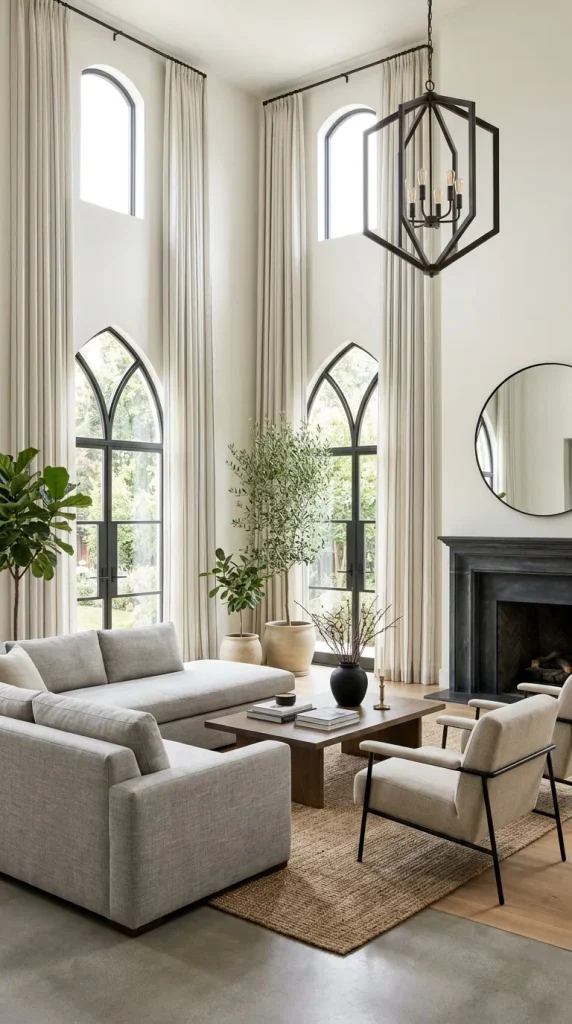
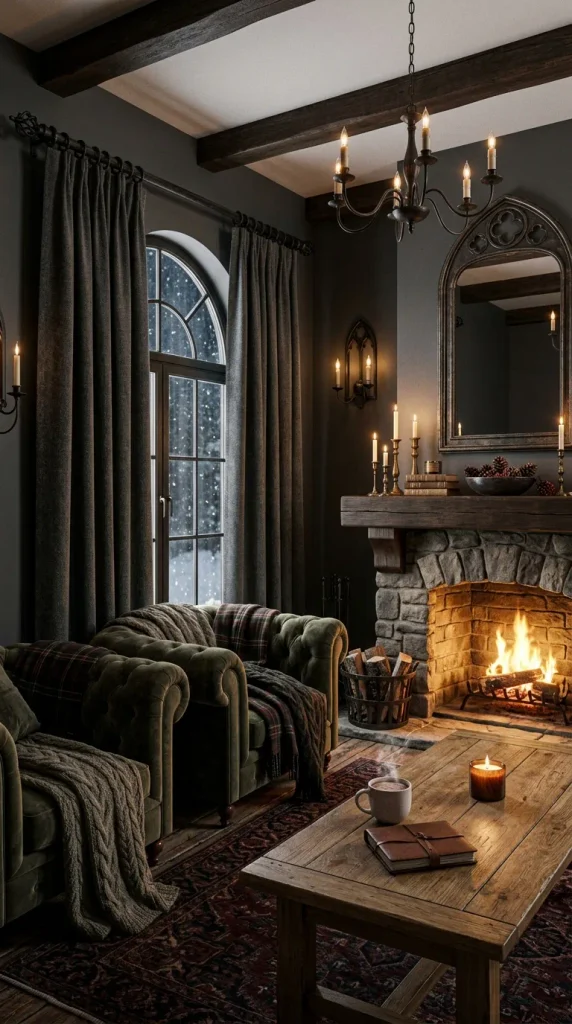
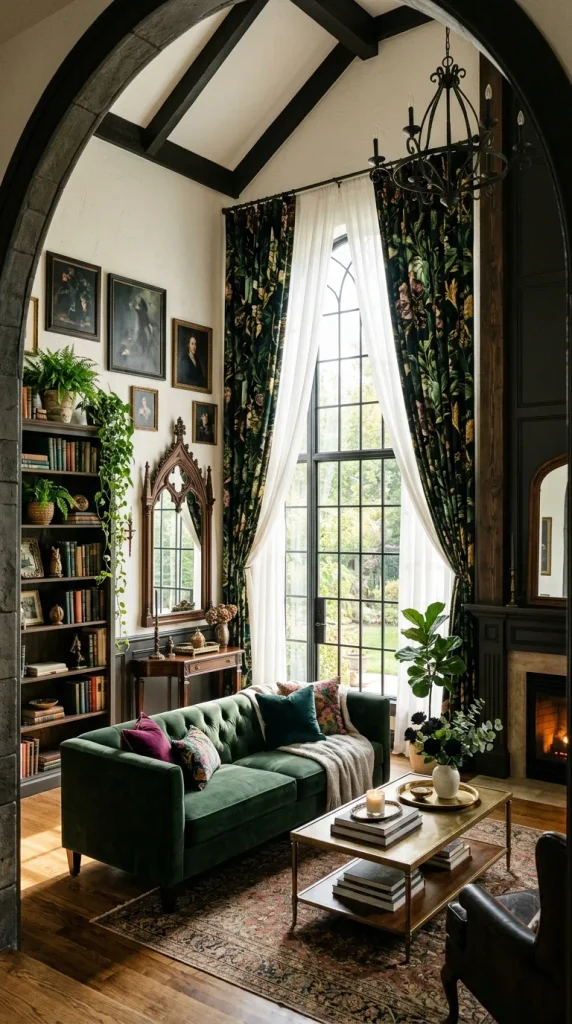
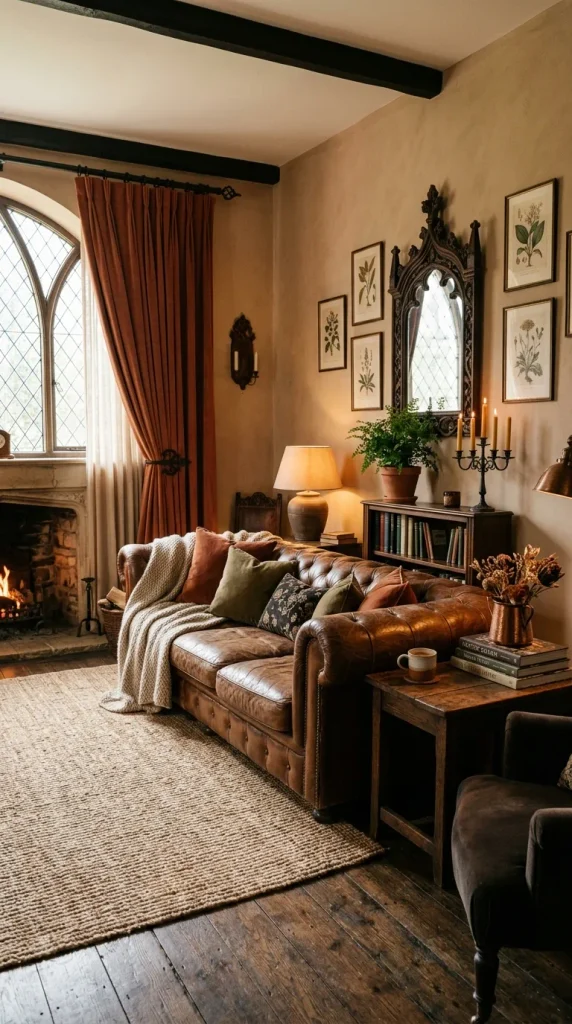
15. Statement Terracotta Pleated Velvet Panels Inject earthy warmth and rich saturation into neutral living rooms with rust-colored, pleated velvet curtains that anchor modern or bohemian aesthetics. The velvet texture absorbs light, creating a cozy evening ambiance.